
The evolution of gambling a historical journey through time
The Origins of Gambling
The history of gambling can be traced back to ancient civilizations, where games of chance were often intertwined with religious practices. Archaeological findings suggest that the earliest known forms of gambling appeared in Mesopotamia around 3000 BC, with dice made from bone and other materials used in games of chance. These primitive forms laid the groundwork for what would become a global phenomenon, and today, players can find the best crypto casino among various modern options.
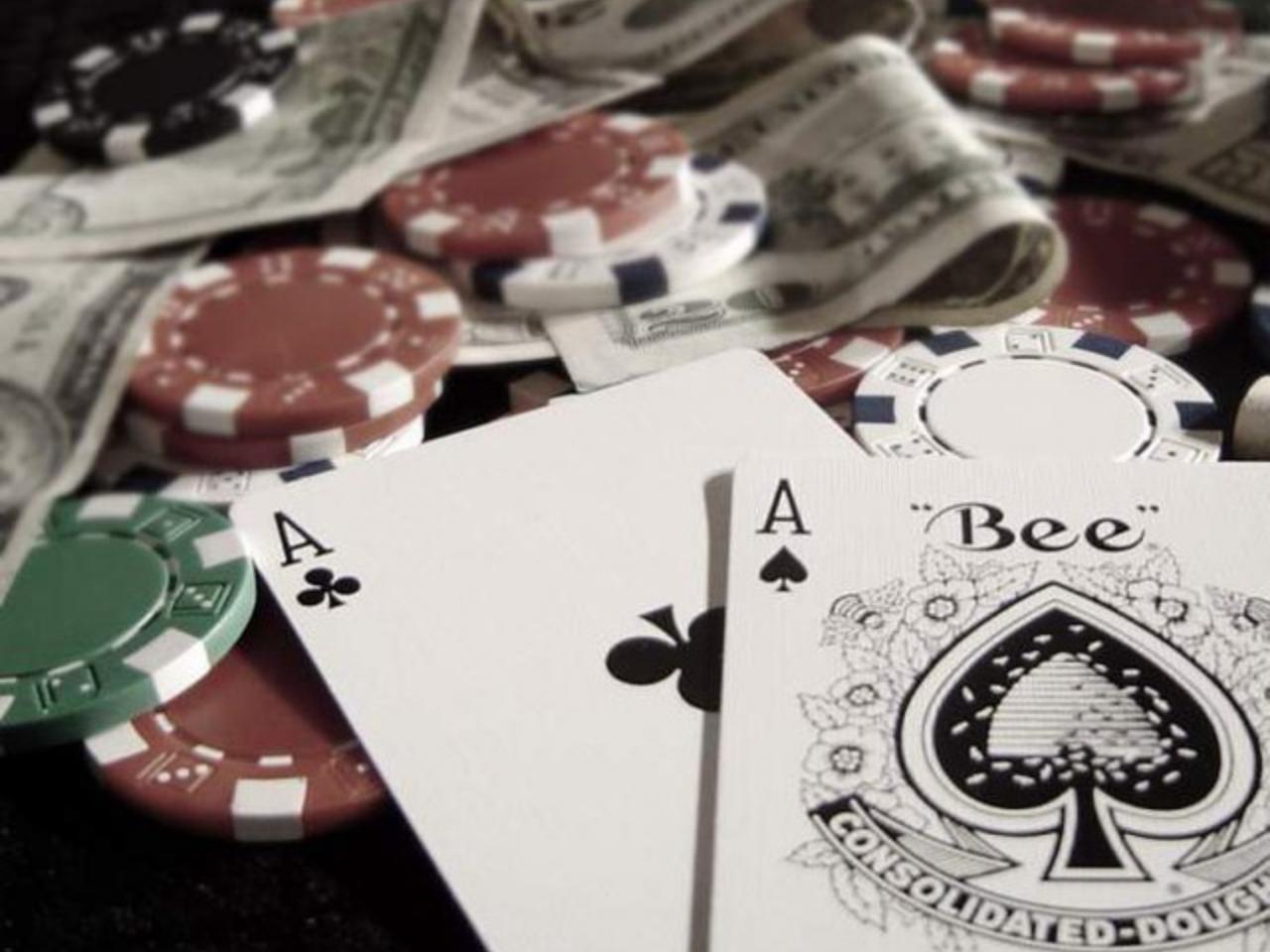
In ancient China, evidence of gambling has been found in the form of tiles dating back to 2300 BC, used in games similar to modern-day lotteries. The Romans also indulged in gambling, utilizing various games and betting on chariot races. This cultural embedding of gambling highlights its long-standing appeal across different societies and eras.
The Middle Ages and the Rise of Organized Gambling
The Middle Ages witnessed the emergence of more structured gambling activities, particularly in Europe. As cities grew and trade flourished, so did organized gambling establishments, such as taverns and early forms of casinos. These venues offered various games, creating a sense of community while also fostering a burgeoning gambling culture.
This period also saw the introduction of gambling regulations, as monarchs recognized the need to control and tax this lucrative pastime. The establishment of gaming laws provided a framework for responsible gaming, ensuring that both players and operators were held accountable, setting the stage for more regulated forms of gambling in the future.
The Industrial Revolution and Modernization of Gambling
The Industrial Revolution brought about significant changes in society, including the expansion of gambling. With urbanization, the need for entertainment grew, leading to the establishment of more formal casinos. The first modern casino, Casino di Venezia, opened its doors in Italy in 1638, paving the way for others to follow across Europe and eventually the Americas.
Advancements in technology during this era also transformed gambling. The introduction of the slot machine in the late 19th century revolutionized the gaming experience, making it accessible to a broader audience. These machines created an entirely new realm of gambling that continued to evolve with the advent of digital technology in the 20th century.
The Digital Age and Online Gambling
The rise of the internet in the late 20th century marked a pivotal moment for gambling, as online casinos and sports betting platforms emerged. This digital transformation not only increased accessibility for players but also revolutionized how gambling was perceived and regulated. The ability to gamble from the comfort of one’s home introduced new challenges in terms of responsible gaming practices.
As online gambling gained traction, many jurisdictions developed regulations to address the unique challenges posed by this new industry. Responsible gaming initiatives became essential, focusing on providing players with tools to ensure safe gambling practices and prevent addiction, further shaping the landscape of modern gambling.
Responsible Gaming Today
Today, responsible gaming is at the forefront of gambling discussions, with many organizations and platforms prioritizing player well-being. The evolution of gambling has led to a greater awareness of the potential risks associated with gaming, prompting operators to implement measures to support responsible practices. This includes self-exclusion options, deposit limits, and access to resources for those who may be struggling with gambling addiction.
As the gambling landscape continues to evolve, the emphasis on responsible gaming remains critical. This ongoing commitment to player safety helps ensure that gambling can be an enjoyable and entertaining activity, rather than a harmful one. By promoting responsible gaming practices, the industry can provide a balanced approach that respects the historical roots of gambling while addressing contemporary challenges. Walnoniavovan